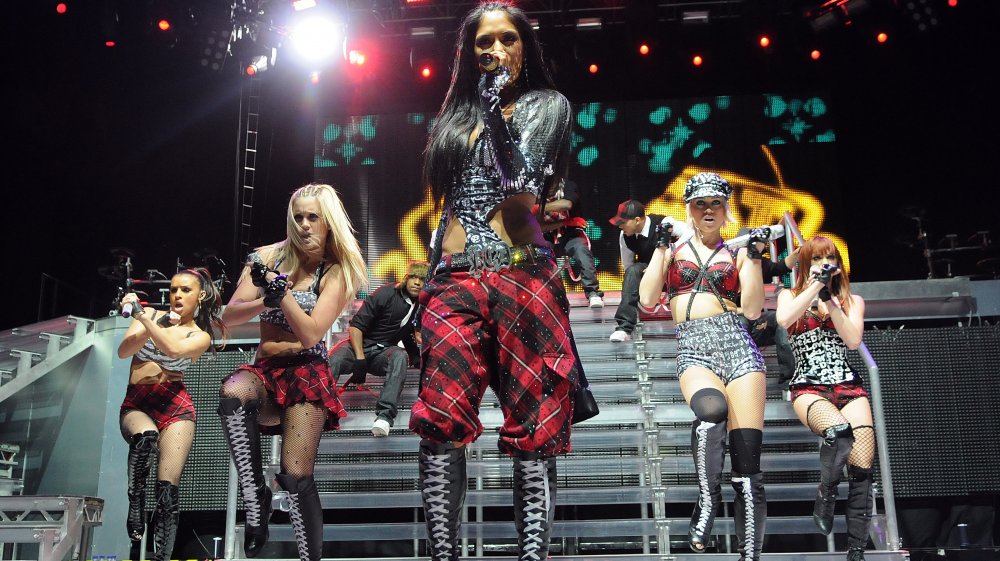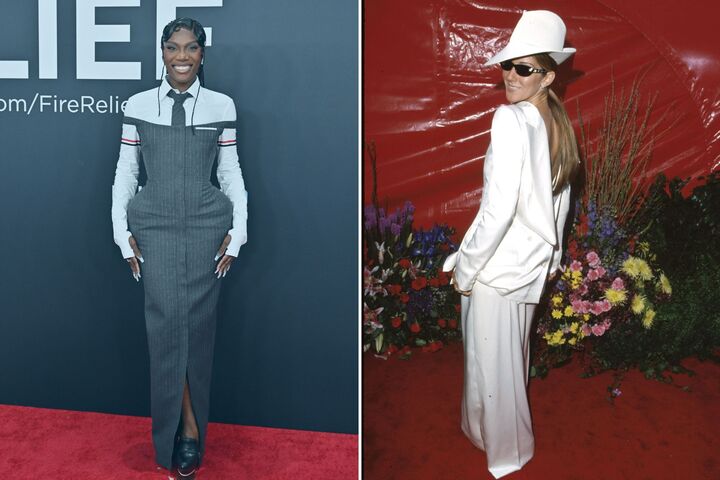
The Met Gala’s theme dropped like a velvet envelope wrapped in riddles: no clear directive, no decade, no manifesto—just a whisper of inspiration that sent stylists scrambling for meaning. This year’s prompt is fashion’s most ambiguous yet, leaving designers and A-listers to interpret a spectrum stretching from raw, skin-baring minimalism to opulent, art-infused maximalism. The result? A red carpet that could swing from near-naked gowns to Mona Lisa-inspired masterpieces—all in the name of “vague vogue.”
Behind the scenes, celebrity stylists aren’t just pulling dresses. They’re decoding cultural signals, balancing brand deals, managing egos, and navigating the fine line between avant-garde statement and public relations disaster. We spoke with four top-tier stylists—each dressing at least one A-lister for this year’s gala—to uncover how they’re translating ambiguity into art.
Why Ambiguity Is the New Creative Catalyst
Gone are the days of literal interpretations: punk, camp, or “Heavenly Bodies” Catholic iconography. This year’s theme thrives in the gray area, challenging stylists to answer one question: What does fashion look like when there are no rules?
“Ambiguity is actually liberating,” says Lena Cho, stylist for Florence Pugh and Regina King. “It forces you to dig deeper than aesthetics. You’re not just dressing a body—you’re telling a story about visibility, identity, and the boundaries of taste.”
For Cho, that story might manifest in a dress that appears nude from afar but is actually a second-skin mesh adorned with hand-painted floral motifs—a nod to both vulnerability and artistry.
Others see the theme as a bridge between eras. “We’re blending the Renaissance with the digital age,” notes Marcus Dale, who styles Timothée Chalamet and Euphoria’s Hunter Schafer. “Imagine a Mona Lisa silhouette, but rendered in reflective nanofiber that changes color with body heat. That’s the sweet spot.”
The risk? Misjudging the line between concept and costume. “You don’t want to look like you’re at the gala,” says Dale. “You want to look like you are the gala.”
The Naked Dress Dilemma: Still Relevant or Red Carpet Cliché?
Skin has long been a Met Gala currency. Think Kim Kardashian’s wet-look Givenchy or Rihanna’s sheer Adam Selman gown dripping with embroidered petals. But in the age of body positivity and digital exposure, is baring all still radical—or just predictable?
“It depends on context,” says stylist Naomi Ruiz, known for her work with Zendaya and Florence Pugh. “A naked dress can be empowering if it’s intentional. But if it’s just shock value? That’s lazy.”
Ruiz’s approach this year involves a “strategic illusion” for one client: a full bodysuit made of optical illusion fabric that mimics bare skin under certain lighting, but transforms into a geometric tapestry under the flashbulbs.
Common mistakes stylists see: - Over-reliance on past trends (e.g., Swarovski-studded nude gowns) - Ignoring body diversity (a look that works on one frame may overwhelm another) - Forgetting the after-party (a sheer dress that’s stunning on carpet may be impractical for dinner)
The key is intentionality. “It’s not about how much skin you show,” Ruiz says. “It’s about why you’re showing it.”
Mona Lisa as Muse: How Art Is Shaping
This Year’s Looks
If the “naked” side of the theme leans modern, the “Mona Lisa” side draws from art history, craftsmanship, and symbolism. But dressing like da Vinci’s masterpiece isn’t about donning a wig and a smirk—it’s about capturing mystery, subtlety, and technical mastery.
Stylist Adrian Wu, who’s prepping a look for a Grammy-winning pop star, is taking a literal yet inventive route: a structured jacket inspired by Lisa Gherardini’s portrait, but with a twist. “The lapels are embroidered with AI-generated interpretations of her expression—each thread representing a different algorithm’s guess at her emotion.”
Wu’s team worked with an AI artist to generate 1,000 digital versions of the Mona Lisa’s smile, then selected five to weave into the garment using conductive thread that lights up in sequence.
Other art-inspired concepts in rotation: - A gown with a hemline that slowly “erodes” during the night, symbolizing the fading of historical memory - A mask that uses facial recognition tech to mirror the wearer’s expressions to a screen on the train - A suit jacket lined with UV-reactive paint that reveals a hidden self-portrait under blacklight
“This isn’t cosplay,” Wu emphasizes. “It’s commentary. Fashion as living art.”
The Stylist’s Workflow: From Concept to Carpet
Translating abstract themes into wearable art isn’t spontaneous. Top stylists follow a rigorous process that blends research, collaboration, and logistics.
Phase 1: Interpretation Stylists begin with a “theme deep dive”—analyzing historical references, current cultural moods, and the client’s personal brand. Is the artist rebellious? Intellectual? Campy? The dress must align.
Phase 2: Design Sprints Most looks are custom. Stylists partner with designers, architects, and even engineers. Mood boards evolve into 3D mockups, often using digital fashion tools like CLO3D or Browzwear.
Phase 3: Fittings & Feedback Loops Three to five fittings are standard. Adjustments aren’t just about fit—they’re about impact. “We test how the dress photographs under flash, how it moves, how it breathes,” says Cho.
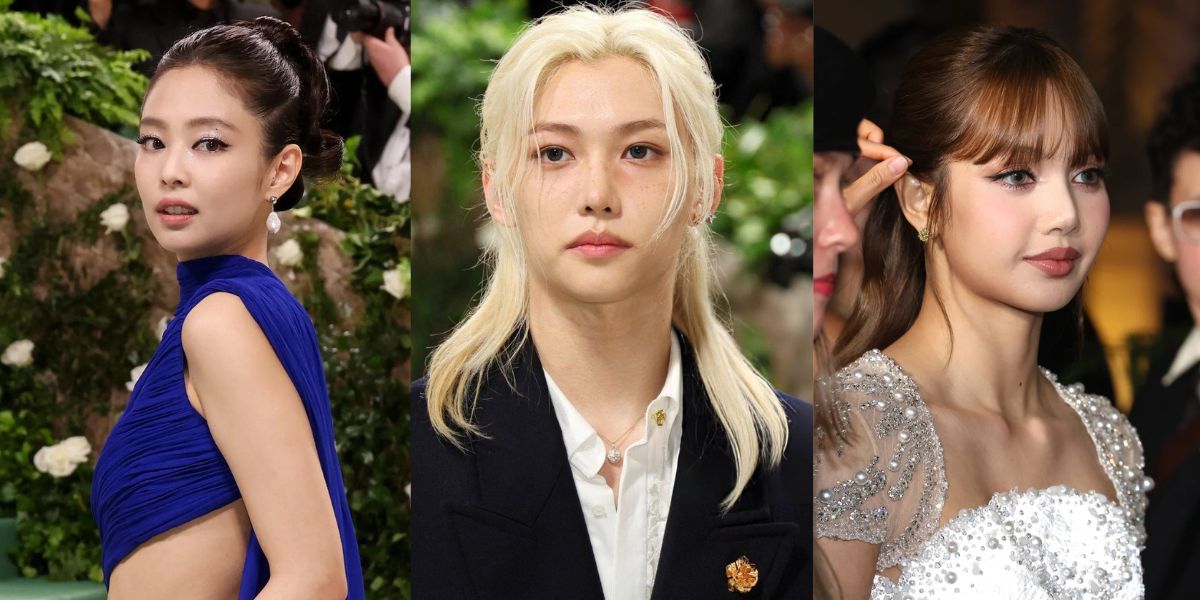
Phase 4: Crisis Management No plan survives the red carpet. “Zippers fail. Heels break. Makeup melts,” says Ruiz. “We pack backups—extra seams, double-sided tape, even a portable steamer.”
Phase 5: The Walk The final 10 seconds matter most. Stylists brief clients on pacing, posture, and “the pivot”—that crucial half-turn for photographers.
Predictions from the Front Lines: What We’ll Actually See
Based on insider intel, here’s what’s likely to dominate this year’s carpet:
- The Illusionists
- Gowns that blend nudity and artistry—think body paint that doubles as a map, or sheer fabrics with embedded micro-art.
- The Renaissance Rebels
- Modern takes on Old Masters: asymmetrical ruffs, codpieces reimagined as sculptural accessories, and portrait-framed headpieces.
- The Techwear Avant-Garde
- Garments with embedded LEDs, temperature-reactive fabrics, or augmented reality elements viewable through an app.
- The Anti-Fashion Statement
- Some will reject glamour entirely—a tailored paper suit, a garment made of recycled Met programs, or a dress constructed live on the carpet.
- The Nostalgia Play
- A few will reference past Met Gala themes, creating meta-commentary on fashion’s cyclical nature.
“Expect confusion,” says Dale. “And that’s the point. The best looks will make people ask, What am I even looking at? Then, five minutes later, they’ll still be thinking about it.”
When Concept Overrides Comfort: The Hidden Cost of Avant-Garde
Not every bold look is sustainable—or wearable. Stylists admit that some designs sacrifice practicality for impact.
One stylist, who asked not to be named, described dressing a pop star in a “melting” gown: a silk creation treated with a biodegradable coating that slowly dissolved under heat lamps. “It was stunning,” they said. “But the client couldn’t sit down, couldn’t eat, and had to change before dinner. Was it worth it? For the Instagram moment—yes. For the guest experience—no.”
Other hidden challenges: - Weight: Some art-inspired pieces use metal or glass, making walking difficult - Visibility: Headpieces or masks can obstruct sight - Climate: Heavy fabrics or tech components can overheat
The best stylists plan for these trade-offs. “We always have a ‘Plan B’ look,” says Ruiz. “Sometimes the art wins. Sometimes the artist wins. Rarely do both.”
Closing: How to Interpret Fashion Without a Map
The Met Gala’s most ambiguous theme isn’t a flaw—it’s a mirror. It reflects fashion’s current identity crisis: Are we artisans or influencers? Artists or algorithms?
Stylists aren’t just dressing celebrities. They’re curating cultural statements, one risky hemline at a time. Whether through a nude illusion or a Mona Lisa-coded suit, the goal remains the same: to provoke, to endure, to mean something.
For those watching at home? Don’t just judge the dress. Ask: What is it saying? And more importantly: Why now?
Dress not for the carpet. Dress for the conversation.
Frequently Asked Questions
What does “ambiguous theme” mean for the Met Gala? It means no clear dress code. Stylists must interpret broad inspiration—like art, nudity, or mystery—into wearable concepts without specific guidelines.
Are naked dresses still acceptable at the Met Gala? Yes, but only if they’re innovative. Expect sheer fabrics with artistic detailing, not just transparent gowns with nothing underneath.
How do stylists choose between bold and wearable? It’s a balance. They assess the client’s comfort, event logistics, and media impact. A look might be stunning but impractical—so backups are essential.
Will AI influence this year’s Met Gala fashion? Yes. Several designers are using AI to generate patterns, simulate fabrics, or create interactive elements in garments.
Can regular people pull off Met Gala-inspired looks? For everyday wear, focus on elements: a Renaissance-inspired sleeve, a bold neckline, or art-embellished accessories—without the impractical extremes.
How far in advance do stylists plan Met Gala looks? Typically 4–6 months. The process includes design, fittings, and contingency planning.
Who has the most pressure at the Met Gala: stylist or designer? Both. The stylist manages the full image and client needs; the designer ensures the garment is structurally sound and conceptually strong. One failure ruins the moment.
FAQ
What should you look for in From Naked Dresses to Mona Lisa Suits: Stylists Decode Met Gala’s Vague? Focus on relevance, practical value, and how well the solution matches real user intent.
Is From Naked Dresses to Mona Lisa Suits: Stylists Decode Met Gala’s Vague suitable for beginners? That depends on the workflow, but a clear step-by-step approach usually makes it easier to start.
How do you compare options around From Naked Dresses to Mona Lisa Suits: Stylists Decode Met Gala’s Vague? Compare features, trust signals, limitations, pricing, and ease of implementation.
What mistakes should you avoid? Avoid generic choices, weak validation, and decisions based only on marketing claims.
What is the next best step? Shortlist the most relevant options, validate them quickly, and refine from real-world results.